Group 9
Transportation in Philippines
Check it out
History of Road Transport in Philippines
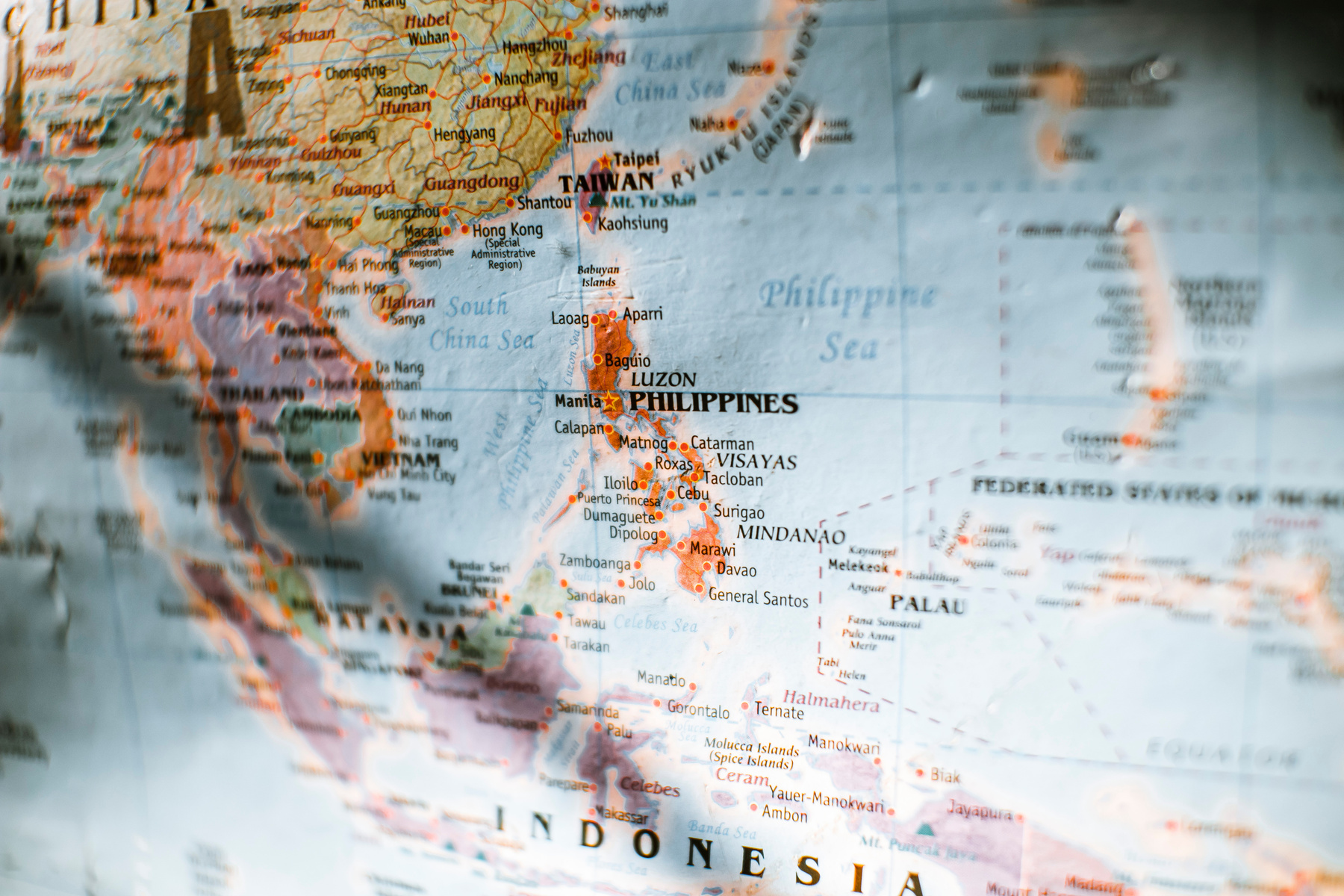
The history of road transport in the Philippines dates back to pre-colonial times when the indigenous population relied on human and animal power for transportation. During the colonial era, modern methods of transportation were introduced, such as the railway system and motorized vehicles. The first expressway systems in the country, the North Luzon Expressway and the South Luzon Expressway, were built in the 1970s during the presidency of Ferdinand Marcos. The Philippines has numerous expressways, and most of them are located in the main island of Luzon. The Pan-Philippine Highway is a 3,517-kilometer network of roads, bridges, and ferry services that connect the islands of Luzon, Samar, Leyte, and Mindanao.
Types of road transport
(public, mobility services, logistics)
in Philippines
In the Philippines, various types of road transport, public transportation, and mobility services are utilized to cater to the diverse needs of the population. The transportation infrastructure in the Philippines includes a wide range of options, from traditional modes of transport to modern systems.
NUSAPUTRA INDRAWANTORO (283588)
Types of Transportation

JEEPNEYS
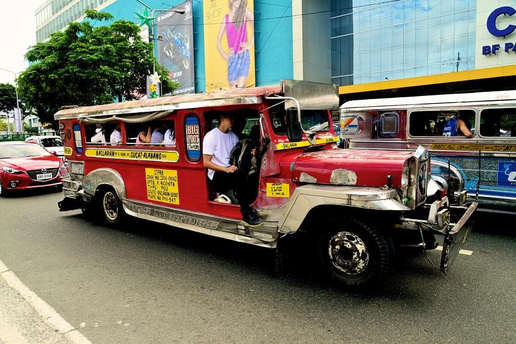
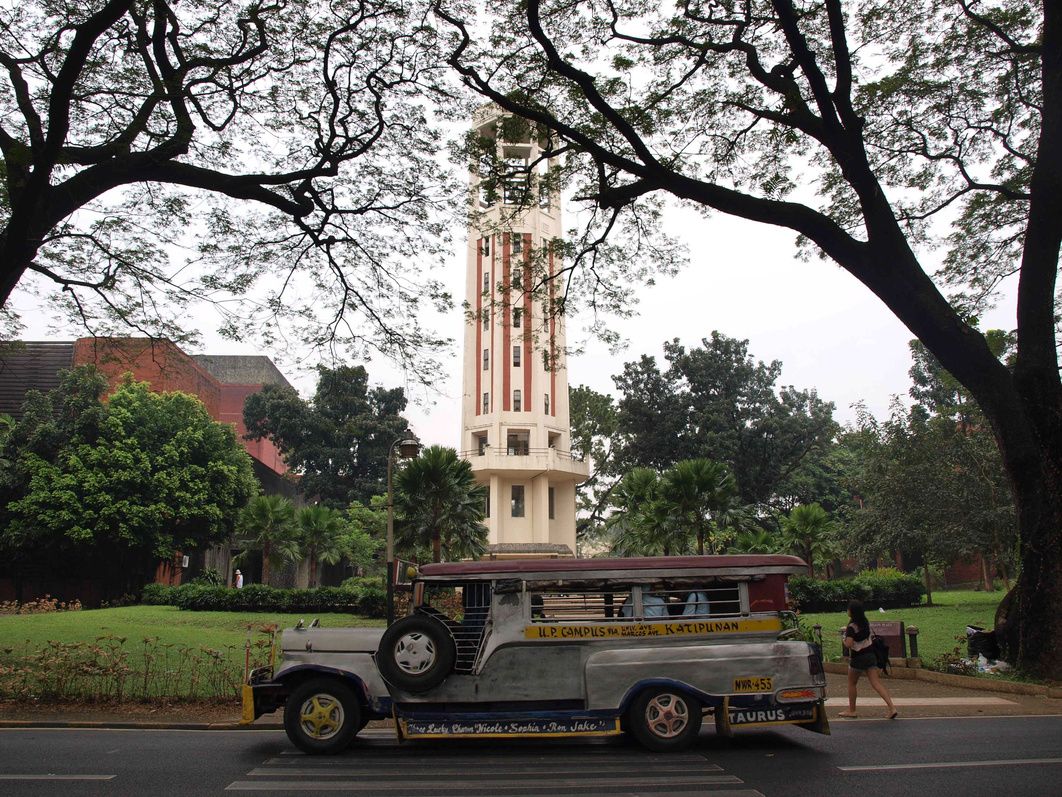
Jeepneys are a popular and iconic mode of public transportation in the Philippines. Originally repurposed from military jeeps left behind by American soldiers after World War II, these flashily decorated vehicles have become a national icon. Jeepneys traverse the bustling streets of cities and towns, showcasing vibrant colors, intricate artworks, and blaring music, making each journey a sensory experience unique to the Philippines.

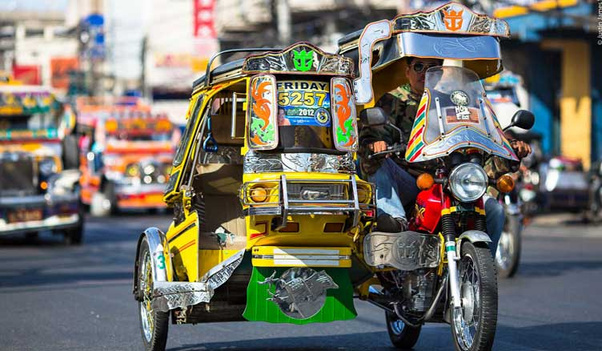

TRICYCLE
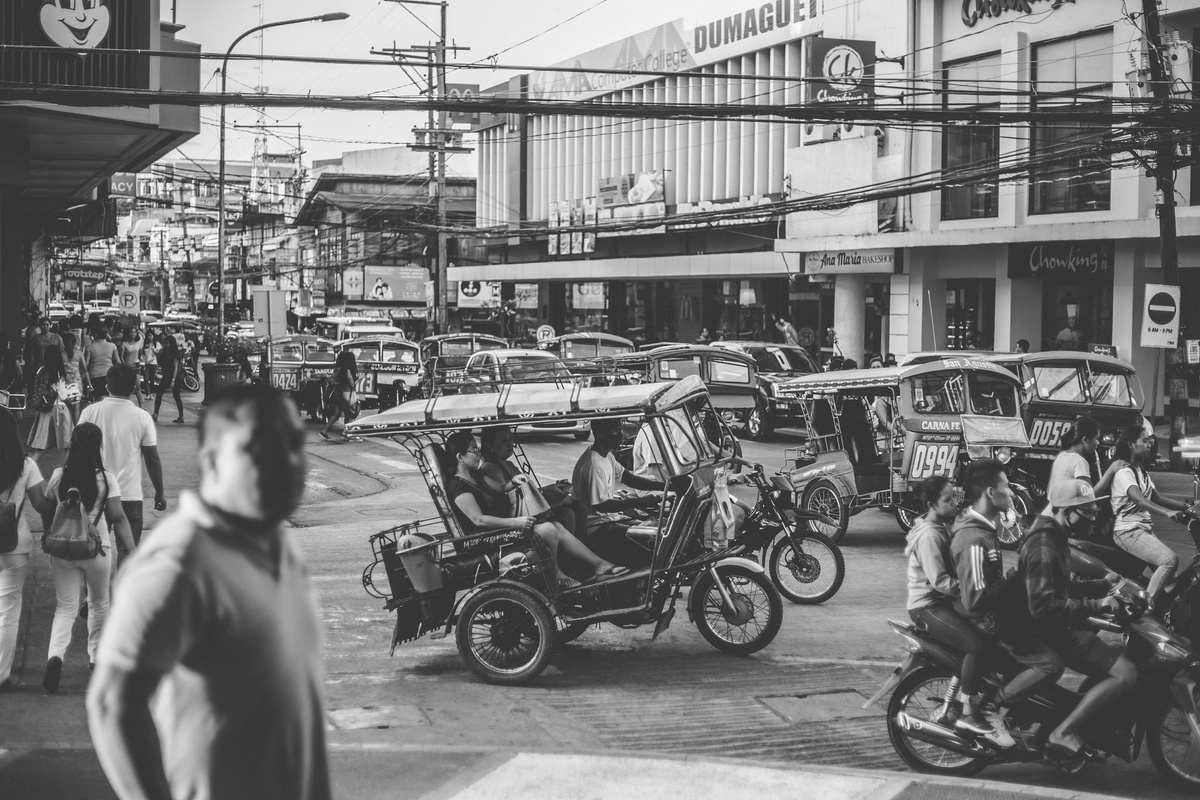
In the Philippines, tricycles are common, serving as a primary mode of transportation for short distances on secondary roads. Tricycles, which consist of a motorcycle attached to a sidecar, are compact, nimble and capable of navigating congested streets with ease. Each tricycle reflects the owner's distinct flair and personality, and is frequently adorned with vibrant colours and personalised decorations. Approximately 4.5 million tricycles are currently registered in the country.
BUS
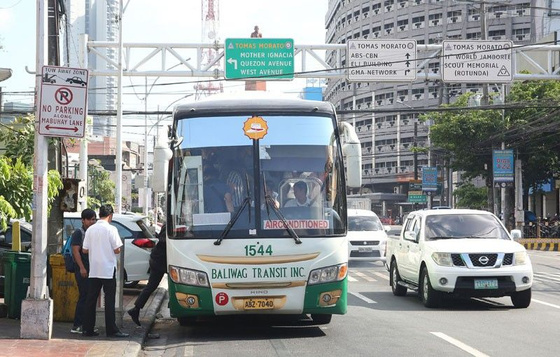
Public bus services in the Philippines are divided into two types: provincial buses and city buses. Provincial buses are used for medium- to long-haul routes between cities and towns, including those involving ferries. City bus networks exist in the three metropolitan areas (Metro Manila, Metro Cebu, Metro Davao). Bus services are run by private companies, and routes, operations, and fares are regulated by LTFRB
NUSAPUTRA INDRAWANTORO (283588)
Types of Transportation
KALESA
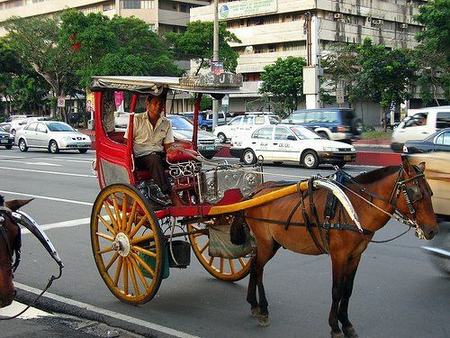
A Kalesa is a horse drawn carriage, which according to historical accounts, was introduced in the Philippines during the 18th Century. This carriage was at that time a status symbol and mark of prestige. Owning a Kalesa is akin to having a luxury car of today. The Kalesa also called a “Karitela” is a cart with two large wheels on each side that can accommodate at least four persons. Through the years however the Kalesa’s design, length and passenger capacity has evolved and with more decorative features mainly to attract tourists.
PADYAK/TRAYSIKAD
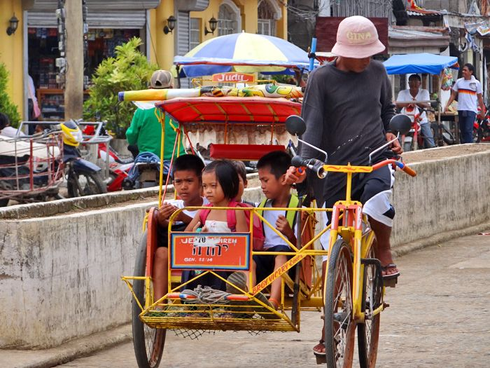
The pedicab (or cycle rickshaw), is more popularly known in the Philippines as “traysikad” or “padyak”, which literally means “stamp the feet”, referring to the act of pushing the pedals of the bicycle with the necessary strength to transport passengers. A pedicab is made by mounting a sidecar to a common bicycle which used to transport passengers on short distances and through narrow streets. The sidecar can usually contain 2 adult passengers, or 3-4 children or it can be used to transport heavy or less simple things (a pet or furniture, for instance) that would be too heavy to hand-carry or to take to destinations not easily reachable with a typical motorized mean of transportation.
NUSAPUTRA INDRAWANTORO (283588)
Supporting Facilities
Infrastructure
Muhamad Rayvan Putra Widodo 288992
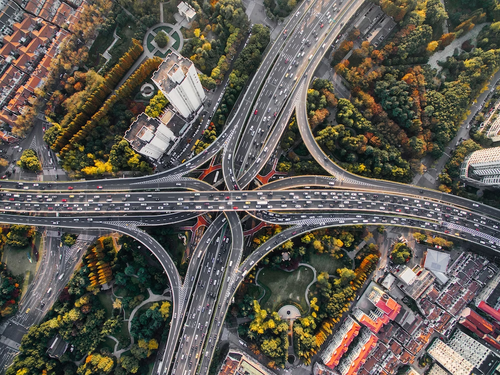
As of 2011, the Philippines has 215,000 km of constructed roads, of which 15% were national highways overseen by the Department of Public Works and Highways and 85% were under the jurisdiction of several local government entities.
HIGHWAY
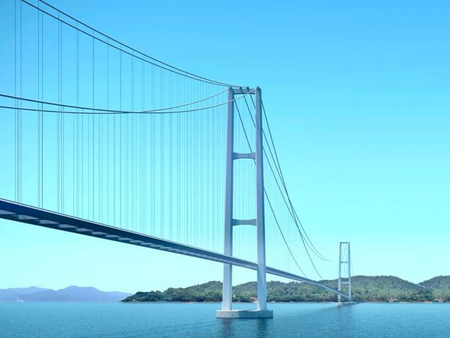
In the Philippines, bridges are essential for improving the country's transportation system since they link islands and make it easier for people and products to travel. For example, the San Juanico Bridge promotes regional growth and commercial activity by connecting the islands of Samar and Leyte. The Metro Manila Skyway bridges also help to improve overall connectivity and transportation efficiency by reducing traffic congestion in the capital region.
BRIDGE
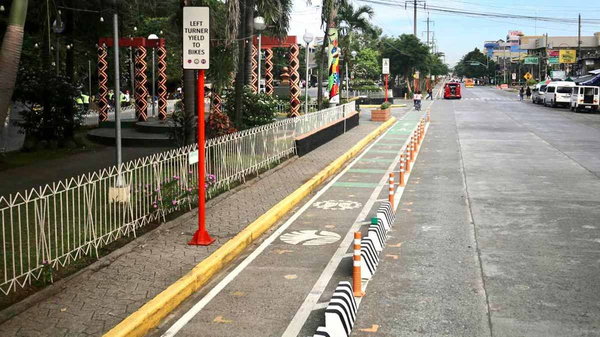
Despite its high overall ratings, Davao was identified as having limited pedestrian facilities, and many spaces where sidewalks were constructed had uncovered drainage.
Sidewalk
Muhamad Rayvan Putra Widodo 288992
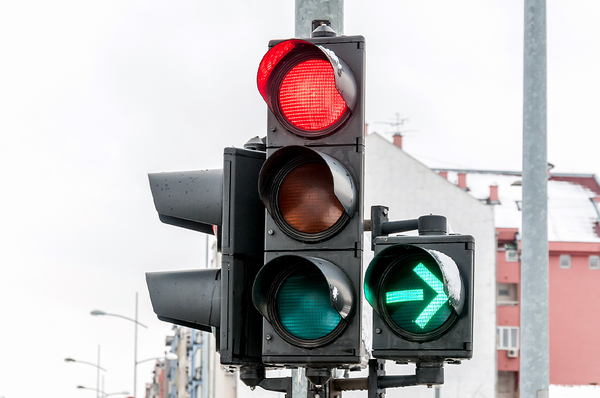
In Metro Manila, these signals are conveyed by different traffic lights designs, whose factors include varying warning schemes, orientations, and heights.
Traffic light
The Advantages of Road Transport in Philippines
The Advantages of Road Transport in Philippines
Archipelagic Connectivity:
The Philippines is an archipelago consisting of numerous islands. Road transport provides a vital means of connecting these islands, ensuring the movement of people and goods between different regions.
Last-Mile Connectivity:
Roads enable the delivery of goods and services directly to the doorstep of businesses and households, especially in areas where other modes of transportation may not accessible.
Economic Growth:
Well-developed road infrastructure can stimulate economic activities by facilitating the movement of goods, reducing transportation costs, and supporting trade and commerce.
Local Employment Opportunities:
The road transport sector, including jobs related to driving, maintenance, and construction, provides employment opportunities for local communities, contributing to economic development.
Tourism:
Roads play a crucial role in promoting tourism by providing access to scenic destinations and cultural sites. This can boost the tourism industry, creating economic benefits for the country.
Muhammad Fadel Mufti Awaluddin 283575
The Disadvantages of Road Transport in Philippines
Safety Concerns:
Safety on Philippine roads can be a concern due to factors such as inadequate road signage, poorly maintained vehicles, and sometimes lax enforcement of traffic rules.
Weather-Related Disruptions:
The Philippines is susceptible to natural disasters like typhoons and heavy rainfall, which can lead to flooding and landslides, causing road closures and disruptions in transportation.
Traffic Congestion:
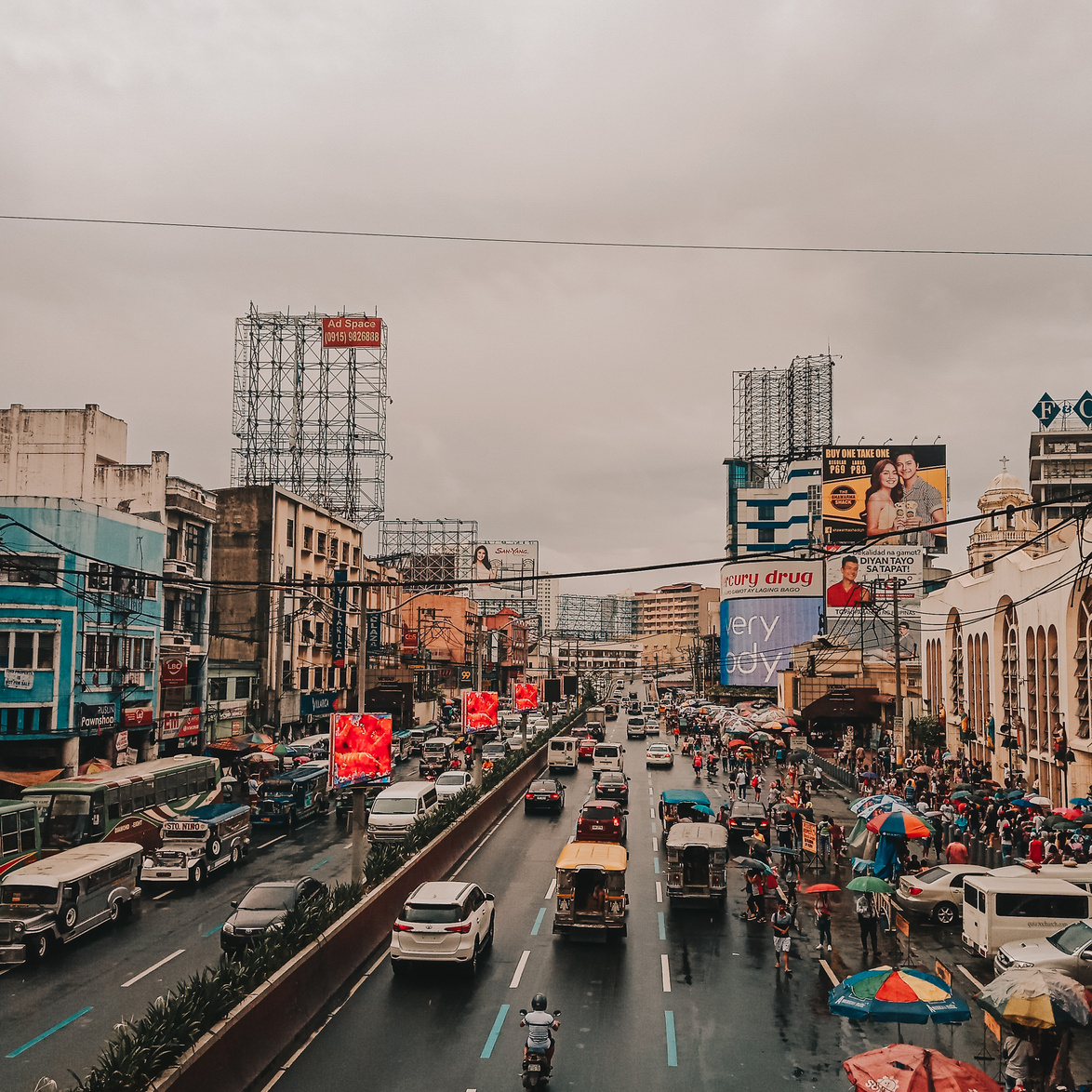
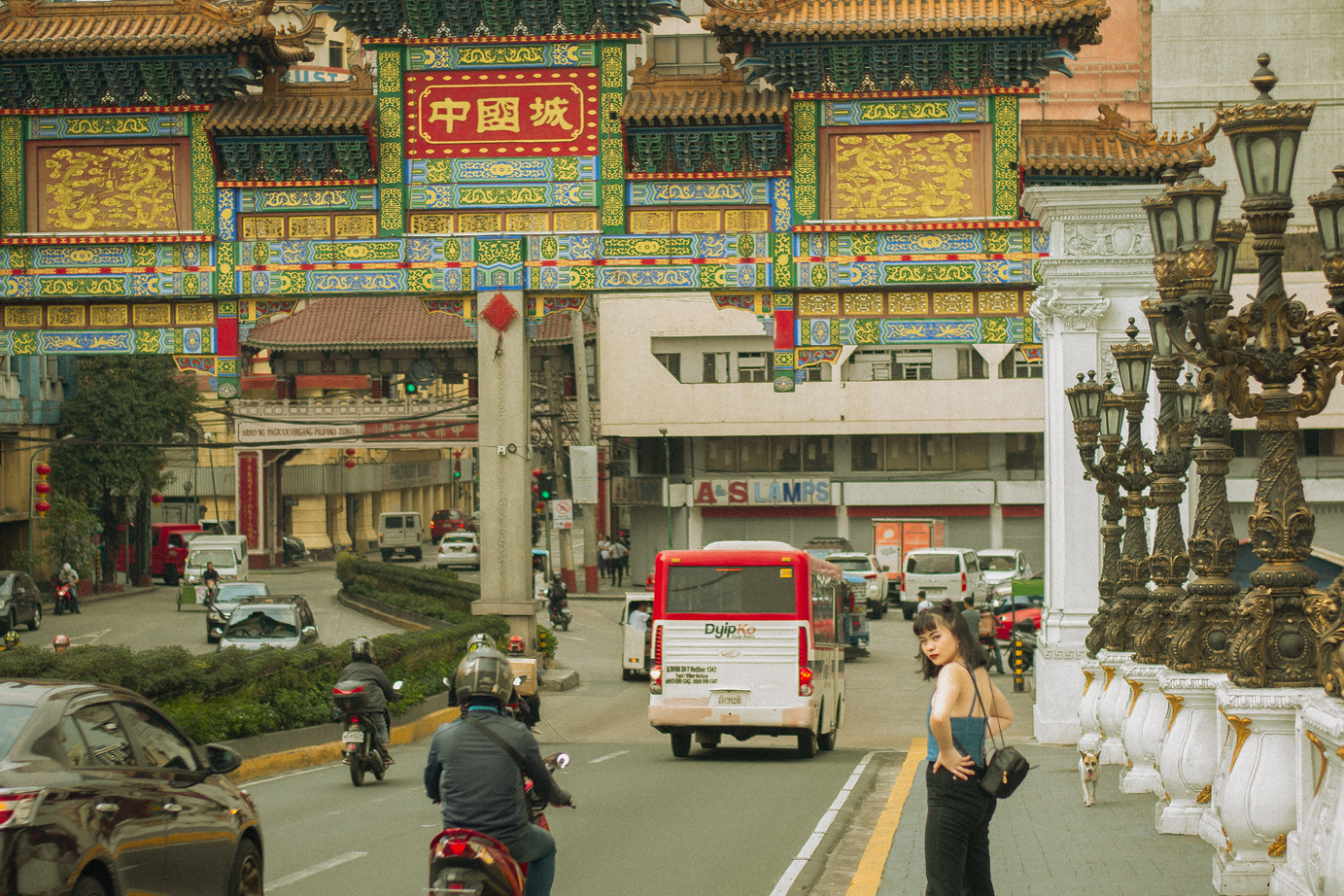
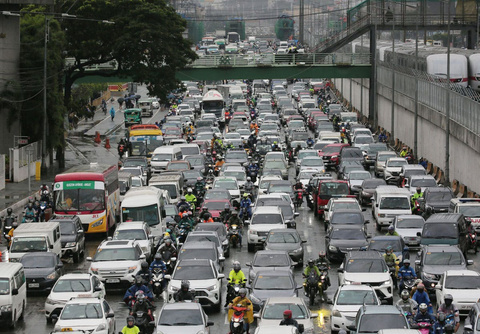
Urban areas, especially Metro Manila, often experience severe traffic congestion, leading to delays, increased travel times, and productivity losses.
Road Quality and Maintenance:
In some areas, poorly maintained roads can pose safety risks and increase vehicle maintenance costs. Adequate road maintenance is essential for ensuring safety and efficiency.
Environmental Impact:
Increased road transport contributes to air pollution and environmental degradation. Emissions from vehicles and the construction of roads can negatively impact air and water quality.
Muhammad Fadel Mufti Awaluddin 283575
EFFECT ROAD TRANSPORT IN PHILIPPINES
The Philippines' road transport infrastructure has a big impact on the nation's development, environment, and economy. Extensive traffic jams, financial losses, and heightened air pollution are all caused by the antiquated and small-scale road-based vehicles, like jeepneys, that dominate the severely fragmented public transportation system.
In larger cities, the absence of appealing public transportation options encourages people to drive and ride motorcycles, which exacerbates traffic and has negative environmental and financial effects.
The nation's transport problems are made worse by the poor quality and generally bad condition of the road network. In the Philippines, greater inter-island mobility has resulted in lower tobacco and alcohol consumption, higher incomes, and better school attendance in the neighbourhoods surrounding the Roll-On/Roll-Off (Ro-Ro) ports.
Farrel Muhammad 283602
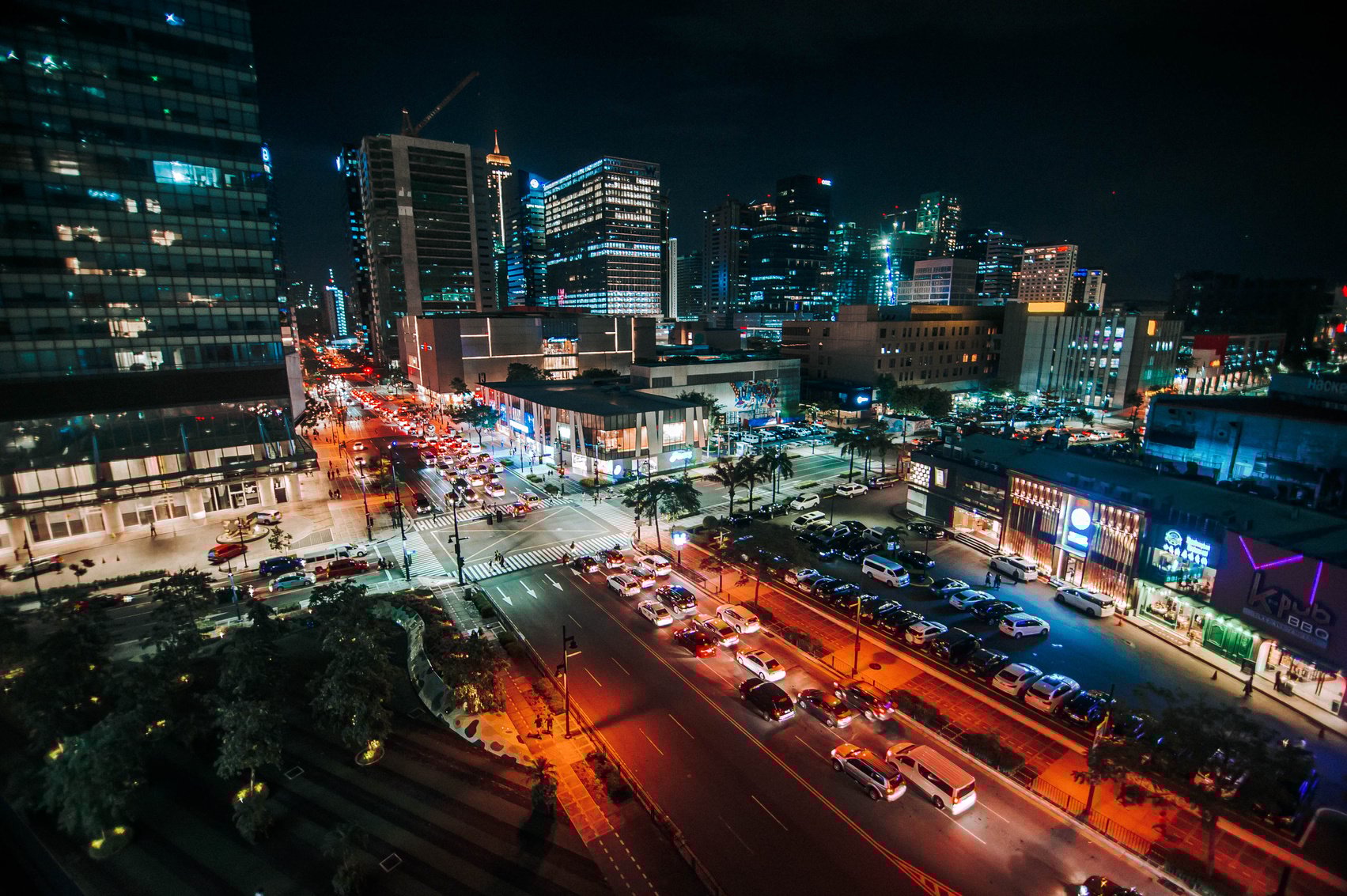
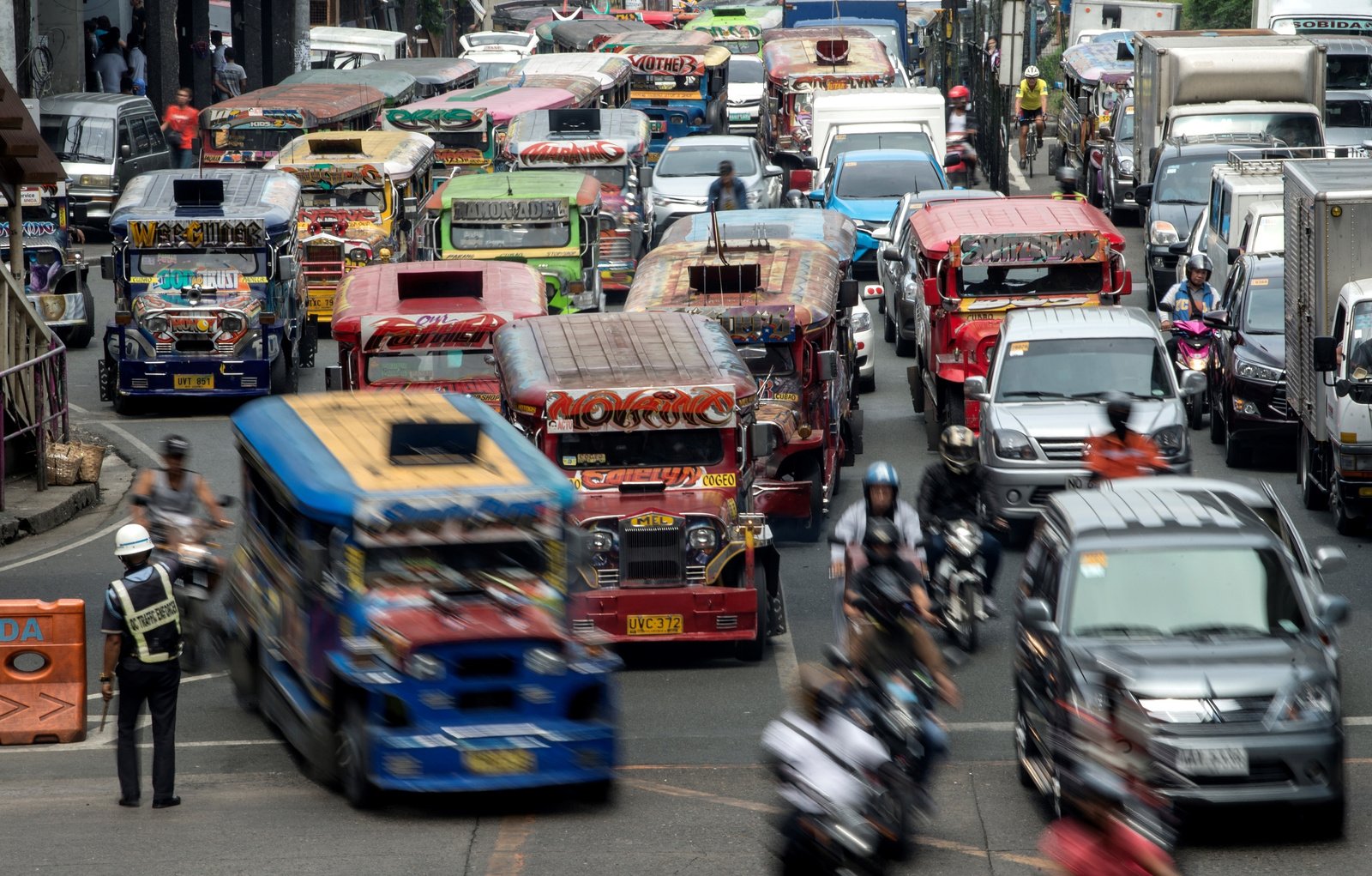
Road transport is the most important subsector of the Philippines' transportation system, handling 58% of cargo traffic and 98% of passenger travel. Other subsector includes air, sea, and train transportation.Of the approximately 215,000 kilometres of roads, only over 45% are rated as being in good or fair condition.
The Pan-Philippine Highway, a 3,517-kilometer system of highways, bridges, and ferry services connecting the islands of Luzon, Samar, Leyte, and Mindanao, is part of the nation's road network. In order to boost the investment climate and advance the nation's overall growth, the government must work to improve the nation's transport infrastructure.
Farrel Muhammad 283602
In order to solve the nation's infrastructure difficulties, the Asian Development Bank (ADB) has established the "Build, Build, Build" programme, which includes transport and mobility projects estimated to be worth $88 billion. The ADB has emphasised the necessity for infrastructure development. To alleviate traffic, lower economic losses, and lessen the effects on the environment, the Philippines' road and public transit systems must be improved.
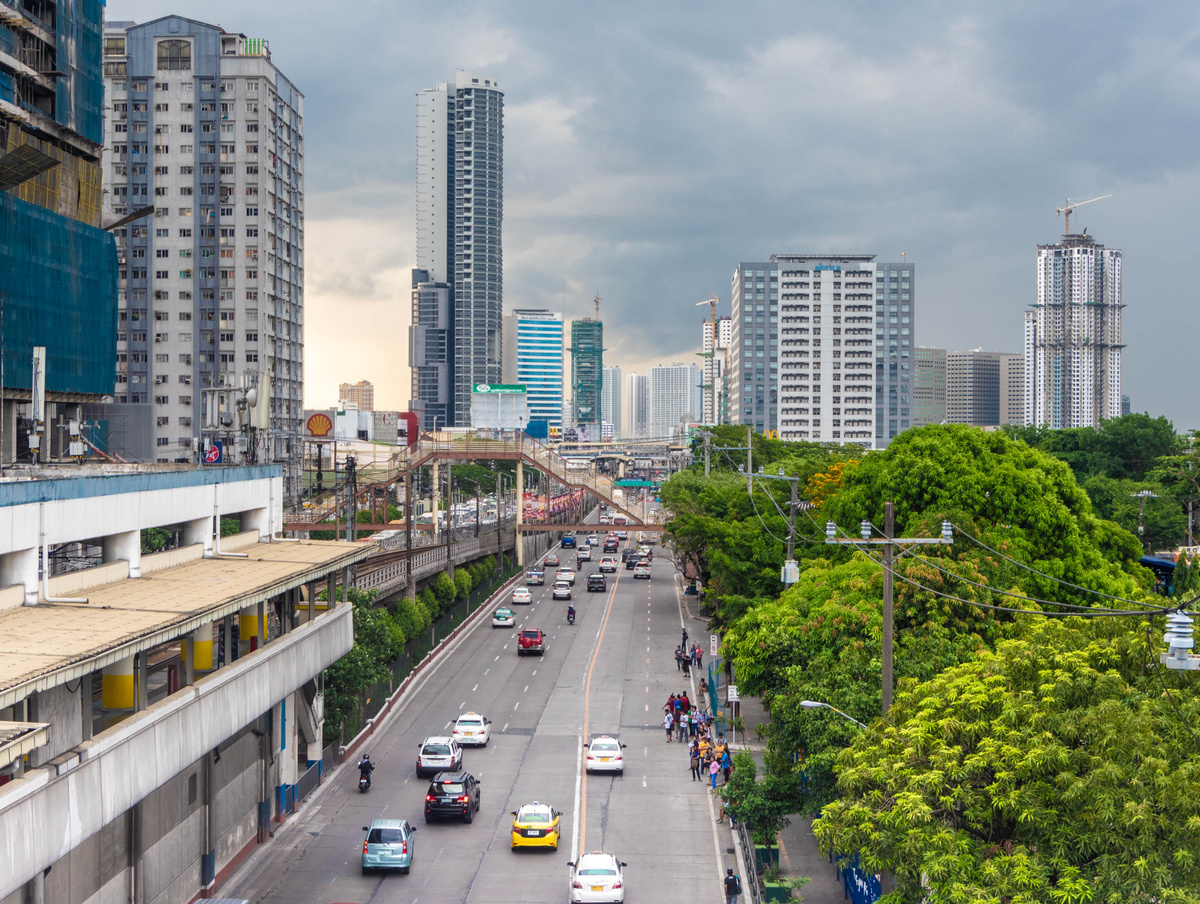
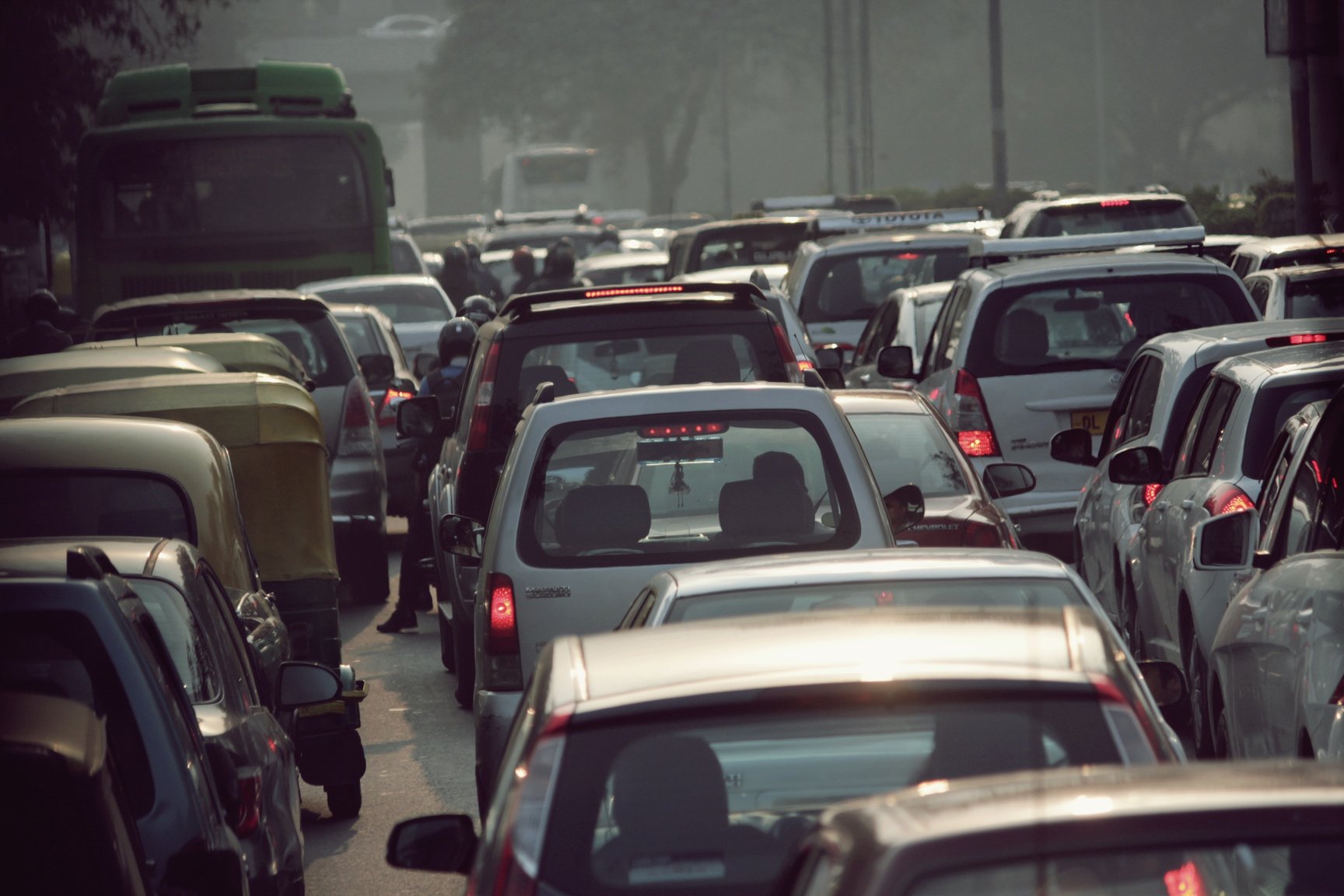

In the Philippines, lack of infrastructure, a poor multimodal integration, and traffic congestion are the main road transport obstacles. These issues have important social and economic implications, including higher economic losses as a result of decreased productivity and traffic congestion
3. Climate resilience:
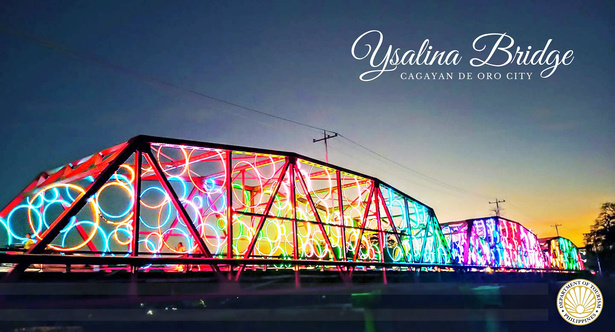
- The network of roads in the Philippines is susceptible to landslides and flooding brought on by climate change. Climate-resilient building materials and technologies, like those found in the Ysalina Bridge in Cagayan de Oro, are examples of resilience solutions.
- Traffic congestion:
- In large areas like Metro Manila, traffic congestion in the Philippines has gotten worse. enhancing mass transit, increasing the capacity of public transportation, and improving traffic control are some solutions.
2. Infrastructure development:
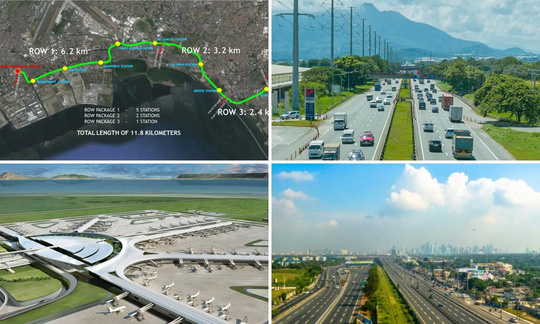
- The nation's infrastructure development lags behind that of its neighbours; as of 2019, only roughly 71% of national roads were paved, well short of the government's initial goal of 95% by 2018. The Duterte Administration's Build, Build programme, which included 76 transport and mobility projects valued at approximately $81 billion, was introduced in 2020 with the goal of addressing these infrastructure issues.
PRANOWO 283585
INFORMATIVE VIDEO